

DeviceStamp and BGBA Continue DPP Awareness and Training in Bangladesh
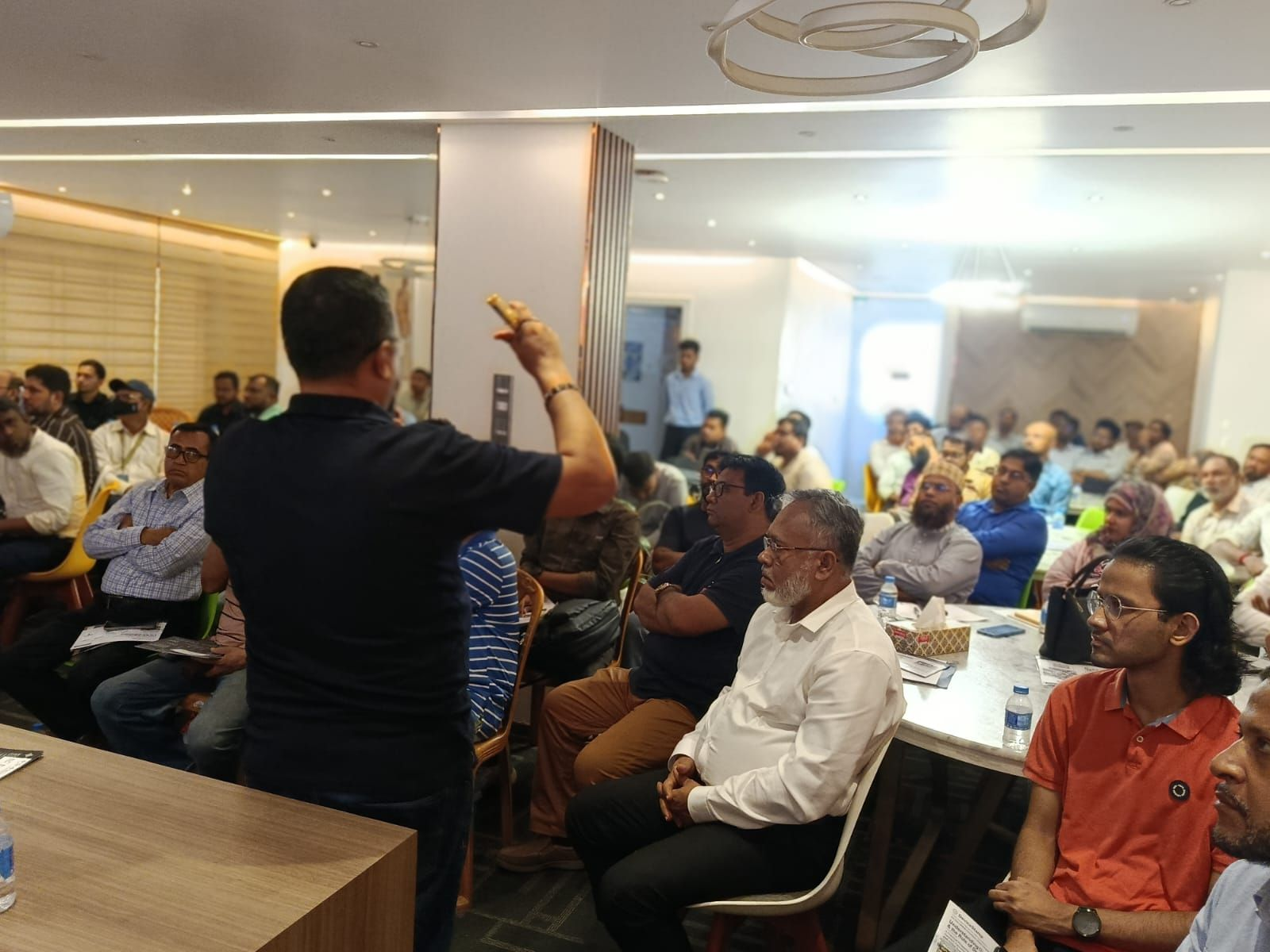
DeviceStamp and the Bangladesh Garment Buying House Association (BGBA) have continued their DPP Awareness & Training Program for BGBA members in Dhaka, bringing Digital Product Passport preparation into a practical industry setting.
The programme focuses on the areas companies will need to connect as DPP requirements move closer to day-to-day operations: product data, traceability, sustainability information, supply-chain coordination and compliance readiness. The aim is to help buying houses and factories understand where preparation can begin with the information, responsibilities and processes they already have.
From awareness to readiness
A Digital Product Passport is only as useful as the information behind it. For factories and buying houses, readiness therefore starts before a passport is issued.
During the programme, participants worked through the operational questions behind DPP implementation: where product information is stored, who is responsible for it, how supplier data can be connected to a specific product, and whether important claims can be supported with evidence. These questions affect how quickly a company can respond when a buyer asks for structured and verifiable product information.

The training materials also carried a clear readiness message: factory DPP readiness can take 6–12 months. This is not presented as a fixed timeline for every company. Instead, it highlights a practical reality: preparing product data, responsibilities, supplier participation and internal processes can take time when information is spread across different teams or systems.
That is why readiness is better treated as a process than as a last-minute compliance task.
Making DPP requirements practical
For many companies, the first useful step does not have to be a new platform or a complete technical implementation. A practical starting point is to select one product and map the information already available around it.
This can include core product records, material information, supplier details, traceability data, sustainability evidence and compliance documents. The exercise helps teams see what already exists, where information is duplicated, and where important gaps remain.
This approach is also reflected in DeviceStamp's factory-level work. In the Nirzhor Knitwear DPP pilot, a seven-day readiness pilot translated product-data requirements into practical factory workflows. The example shows why DPP preparation is not only about understanding regulation. It also depends on whether data can be found, verified and used in real operational processes.
The same logic applies across the wider supplier network. DeviceStamp has explored this in Why DPP Readiness Starts With Your Supply Chain, where supplier-side data availability is treated as a core part of readiness rather than a separate issue to solve later.
Why buying houses matter
Buying houses sit between international buyers and factories, which gives them an important coordination role in DPP preparation.
As buyer requirements become more structured, buying houses may need to help identify where product information comes from, which supplier owns it, and how supporting evidence can be gathered consistently. This makes DPP readiness relevant not only to compliance teams, but also to commercial, sourcing and supplier-management functions.
Training in this context helps move the conversation away from abstract regulation and toward the questions companies already face in their daily work. Which information is available today? Which team owns it? Which supplier needs to provide it? What can be verified, and what still needs to be improved?
Those questions make the path to readiness easier to understand and easier to act on.
Building readiness through local industry collaboration
The collaboration between DeviceStamp and BGBA creates a setting where DPP preparation can be discussed in the context of Bangladesh's apparel and sourcing industry.
Rather than treating every company as if it starts from the same point, the programme encourages participants to look at their current data, supplier relationships and operational processes first. From there, the next steps can be based on the gaps that actually exist.
For some companies, the main challenge may be product-data structure. For others, it may be traceability, supplier participation or the ability to connect evidence to a product record. Understanding that starting point is what turns DPP awareness into a practical readiness plan.
The programme's message is straightforward: preparation starts with the data and processes companies already have, and reviewing them early gives teams more time to identify and close gaps.
Start with your current product data
Companies do not need to solve every DPP question at once. A practical first step is to choose one product, identify the information available for it, map who owns each data point, and check where supporting evidence exists.
From there, the gaps become easier to see and the next actions become easier to prioritise.
Explore DeviceStamp's DPP services or talk to the DeviceStamp team about the next step for your DPP readiness.