
BGBA × DeviceStamp DPP Awareness & Training Program: Buying Houses Take the Next Step Toward EU Digital Product Passport Readiness
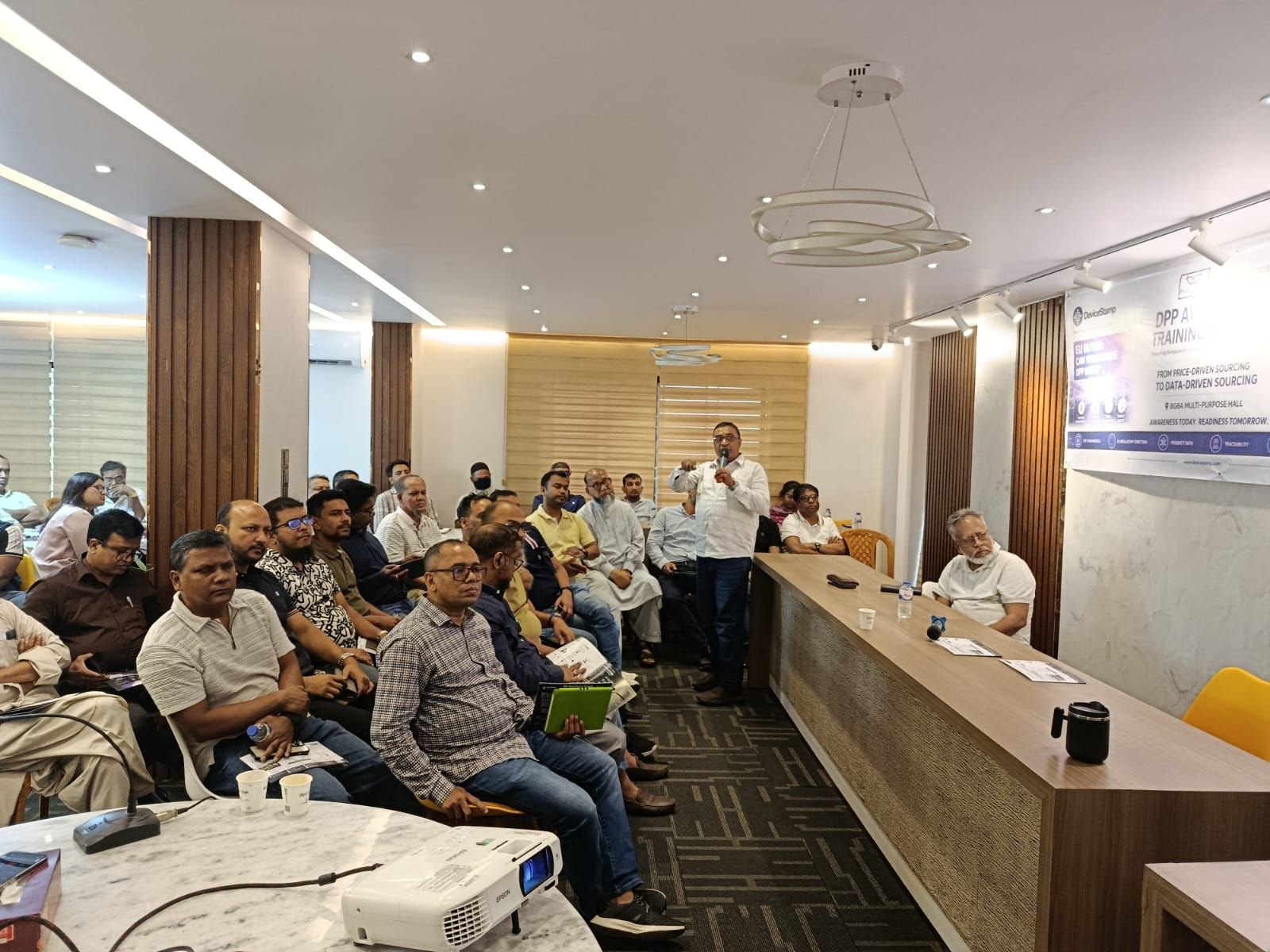
BGBA and DeviceStamp Bangladesh Ltd. jointly delivered a free DPP awareness and training program for garment buying houses at the BGBA Multipurpose Hall in Uttara, Dhaka, extending the country's Digital Product Passport conversation from factories to the commercial bridge between EU buyers and manufacturers.
Under the title BGBA × DeviceStamp FREE DPP Awareness & Training Program 2026, the session brought together buying house owners and senior management from BGBA member companies to examine what the EU Digital Product Passport means for the buying house role and how their organisations can begin preparing. The program forms part of the Bangladesh Roll-Out Program, DeviceStamp's broader effort to make DPP readiness practical for the country's export-oriented apparel sector.
Why Buying Houses Sit at the Center of DPP Readiness
Buying houses occupy a specific position in Bangladesh's garment export model. They secure international orders, contribute to product development, help select suitable factories, and coordinate production, compliance, quality and shipment delivery between European buyers and Bangladeshi manufacturers.
Because of that position, buyer requirements tend to reach them first. As European buyers begin asking for product-level information such as product identity, material sourcing, traceability and sustainability evidence, buying houses are often the ones who receive and translate those requests for the factory side. A buying house that understands the requirements early can guide its factory network in good time, while one that waits risks reacting under deadline pressure once the requests arrive. Early preparation therefore protects existing EU business relationships and positions members for new opportunities.
What the Training Covered
The session focused on the questions buying houses face when a buyer raises DPP:
- What the Digital Product Passport is, and how it arrives through the EU's Ecodesign for Sustainable Products Regulation (ESPR)
- Which product and supply-chain data European buyers may request
- How a factory's current data readiness can be assessed
- How product identity connects to material sources and supplier information
- Why traceability, sustainability and compliance evidence must be structured and verifiable
- The coordination and governance role buying houses play across their supplier networks
Md. Nazrul Islam, Country Director of DeviceStamp Bangladesh and the programme's lead trainer, addressed the question participants returned to most often: what a Digital Product Passport consists of in practice. "A QR code simply opens a gateway to view information," he explained, as reported by Business Times BD, "but if that information isn't structured, connected, verified and evidence-backed, buyers won't be able to trust it." The lesson for the room was concrete. Readiness depends on preparing the information behind the code: fields with clear sources, connected records and evidence a buyer can verify.
Program Contributors
The programme combined the association's industry leadership with DeviceStamp's international and local expertise:
- Md. Abdul Hamid Pintu, President of BGBA, attended alongside the association's Vice President (Finance) and Vice President (Admin)
- Björn Eriksson, Global CEO of DeviceStamp, joined online and spoke about global DPP progress and the growing importance of accurate, traceable and verifiable product data in buyer-supplier discussions
- Paulina Kruk, Global Head of Brand Solutions at DeviceStamp, drew on her background in the European garment and retail trade to describe what European brands look for in sourcing partners
- Md. Nazrul Islam, Country Director of DeviceStamp Bangladesh and the programme's lead trainer, delivered the main sessions on DPP fundamentals, buyer data requirements, product traceability, supply-chain transparency, sustainability evidence and factory data readiness
Together these contributions covered the three levels the industry needs to connect: the association's view of the buying house role, the expectations of European buyers, and the practical preparation required inside factories.
Strong Industry Response and a Follow-Up Session
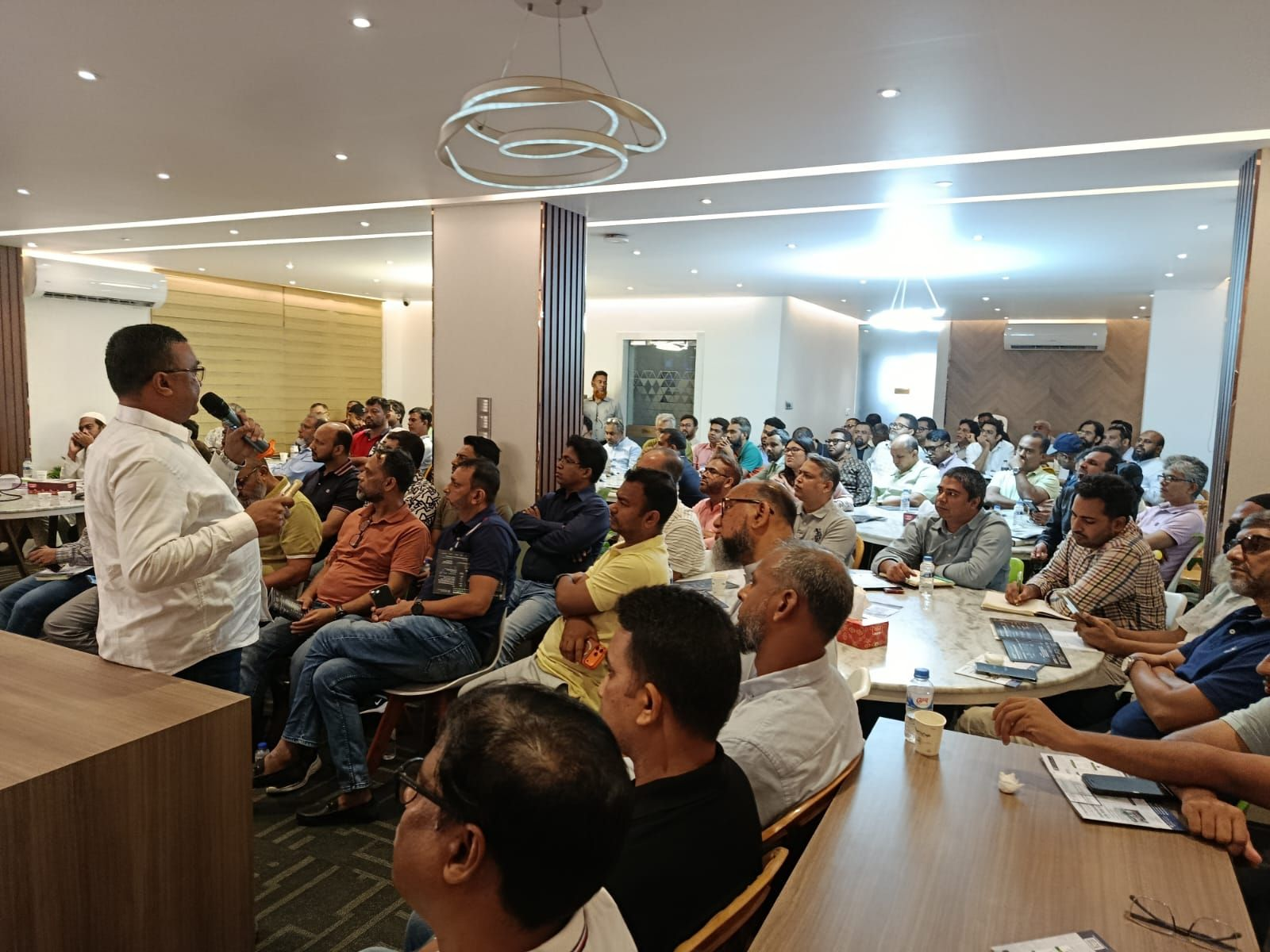
Interest exceeded the room's capacity. All available seats were taken within two hours of registration opening, and many of the roughly 571 organizations that expressed interest could not be accommodated in the first session. To meet that demand, a follow-up session is planned for 19 September 2026 at the same venue, with priority for those who missed the first.
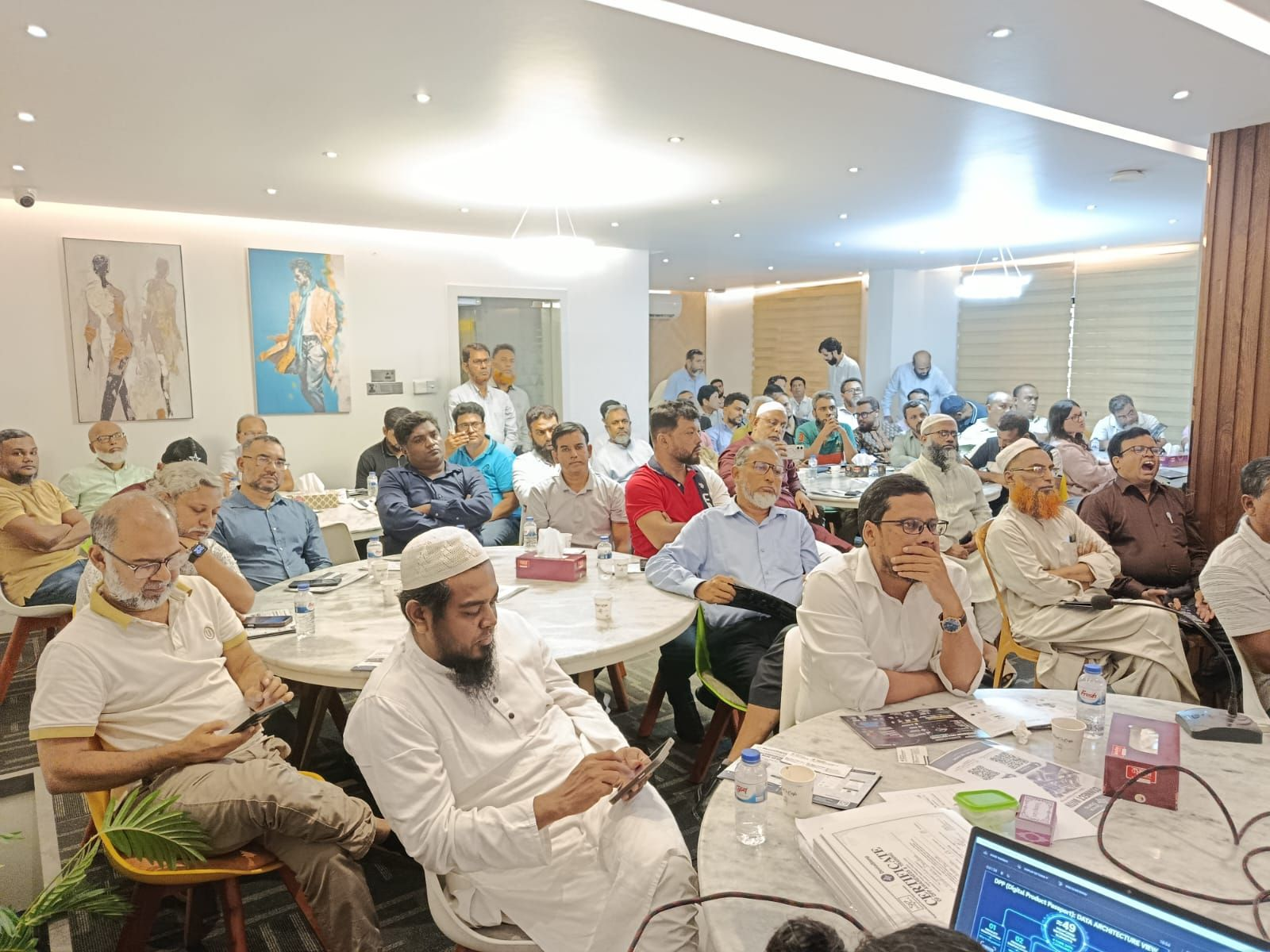
The response says something about where the conversation in Bangladesh stands. Organizations are moving beyond the definition stage and asking how the work should be organized: which data matters first, who owns it, and how buying houses and factories should divide responsibilities.
What This Means for Bangladesh's Garment Sector
Bangladesh's apparel sector has built its global position on manufacturing capability, competitive pricing and commercial experience. The DPP transition adds another dimension to that offer: the ability to provide reliable, verifiable product and supply-chain information alongside the product itself. For buying houses, the information flow between EU buyers and factories becomes part of the service they provide. For factories, it means the data behind each product must be structured and evidence-backed rather than rebuilt for every request.
Joint programs with BGBA are intended to continue, supporting awareness across the apparel and textile supply chain and helping organizations identify their data gaps step by step. Factories and buying houses that want to start preparing can explore the free DeviceStamp membership for suppliers and the Simplified DPP Guide, or read how the earlier DPP Awareness and Training Programme for commercial professionals shaped DeviceStamp's approach in Bangladesh.
In the media
- ডিপিপি বাস্তবায়নে প্রস্তুতির আহ্বান, বিজিবিএর প্রশিক্ষণ কর্মসূচি - IT Voice BD (Bangla)
- BGBA and DeviceStamp Hold DPP Training for Garment Buying Houses - Business Times BD
- বিজিবিএ ও ডিভাইসস্ট্যাম্পের যৌথ আয়োজনে ডিপিপি সচেতনতা ও প্রশিক্ষণ কর্মসূচি - BD Bulletin (Bangla)
- BGBA × DeviceStamp DPP Awareness & Training Program (video) - Facebook
DeviceStamp Bangladesh Ltd. is a Bangladesh-Poland joint venture supporting export-oriented Bangladeshi companies with DPP readiness, structured product data management, traceability systems and digital product information for the European market.